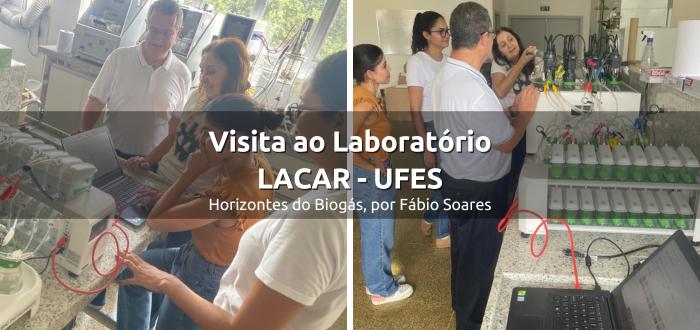


Data, precision, and decision: the research infrastructure redefining global biogas
In an exclusive interview, Jing Liu analyzes how analytical standardization, substrate control, and data intelligence are reducing risks and shaping the next phase of biogas and biomethane expansion.
Introduction
In the biogas industry, high-value operational decisions and investments still rely on an often invisible factor: the quality of laboratory data. Knowing the true potential of a substrate, predicting process stability, and reducing technical risks requires more than experience; it requires reliable measurements, standardization, and traceability.
This is where precision engineering becomes strategic.
One of the names that helped structure this analytical foundation in the sector is Dr. Jing Liu, a scientist, professor, and entrepreneur who transformed academic research into applied technological infrastructure for global bioenergy.
From an initiative originating at Lund University, Dr. Liu co-founded BPC Instruments AB, a company that consolidated a new standard for measuring biochemical methane potential (BMP), biodegradability, and biological processes applied to the circular economy. Today, their solutions are present in laboratories and industrial plants in over 90 countries, supporting technical decisions, scientific research, and expansion strategies in biogas and biomethane.
With over two decades dedicated to environmental bioanalysis and anaerobic digestion, Dr. Jing Liu operates at the convergence of applied science, automation, and industrial decision-making. His vision goes beyond instrumentation: it is about structuring a reliable database capable of reducing risks, increasing efficiency, and accelerating the sector's maturity.
In this exclusive interview with Portal Energia e Biogás, he analyzes the technical bottlenecks of anaerobic digestion, the critical role of laboratory infrastructure, global biogas challenges, and the strategic potential of South America and Brazil in the evidence-based bioeconomy.
The Interviewee
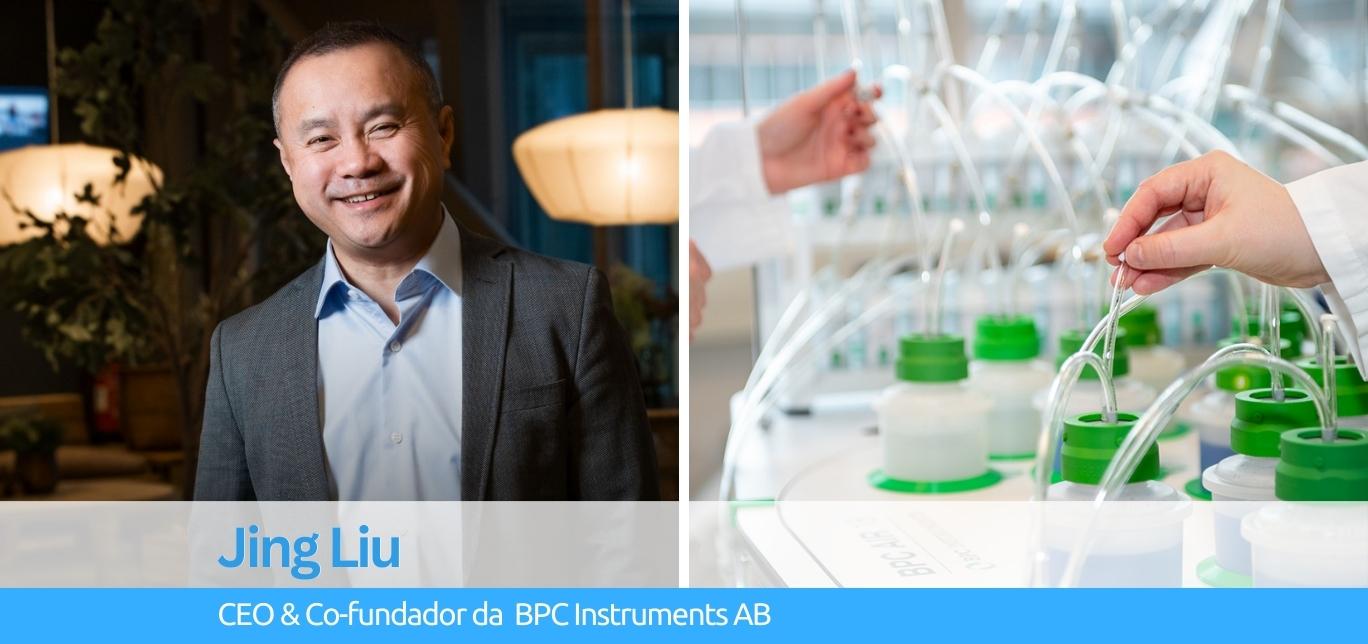
Dr. Jing Liu is a scientist, inventor, and entrepreneur at the intersection of environmental biotechnology and bioenergy. Co-founder and CEO of BPC Instruments AB, a company originating from Lund University, he has led the company's global expansion since 2013, after serving as CTO and board member since its foundation. An Associate Professor in Environmental Biotechnology and Bioenergy, Dr. Liu has over two decades of experience dedicated to the optimization of anaerobic digestion, analytical instrumentation, automation, and strategic business development in the pharmaceutical, biotechnological, and biogas sectors. His trajectory combines scientific research, technological development, and business vision, consolidating his role as one of the international voices in structuring standardized and data-driven measurements for bioenergy.

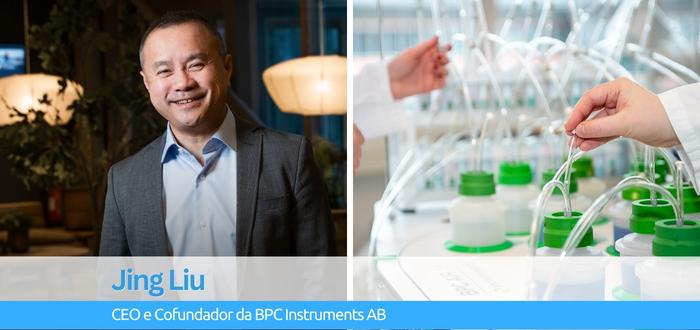
Dr. Jing Liu is a scientist, inventor, and entrepreneur, co-founder and CEO of BPC Instruments AB. Photo: BPC Instruments.
The Interview
To make reading more strategic, we have organized this interview into 12 thematic blocks that follow the journey of the researcher and executive, from personal motivation and early challenges to the global positioning of the biogas sector.
Throughout the conversation, we explore everything from technological differentiation and laboratory infrastructure to international expansion, innovation in anaerobic digestion, opportunities in the South American market, and the impacts of sustainability and growth. We focus not only on the executive's trajectory but also on understanding how technology, data, and strategy shape the evolution and competitiveness of the biogas market. Check it out!
1. Career and Motivation
Energia e Biogás®: Could you share with us the motivation behind turning a research idea from Lund University into a global company like BPC Instruments?
Dr. Jing Liu: During my research at Lund University, I had several ideas aimed at improving the productivity and profitability of biogas production. Initially, I focused on full-scale plant optimization through real-time monitoring and control. However, I realized that the industry was not yet ready for such advanced solutions, and these ideas were difficult to replicate commercially.
This led me to redirect our focus toward developing analytical instruments that could serve both academic research and industrial biomethane production. Over the past 20 years, BPC has grown into a pioneering niche leader in this field.
It was not fully planned from the beginning—we continuously adjusted and discovered our unique position: providing precise, automated, and user-friendly analytical tools for scientists, engineers, and industry.
For me, the deeper motivation has always been the belief that technology and innovation can truly modernize industry and create meaningful environmental impact. Building BPC was therefore not only an entrepreneurial journey, but also a mission to enable evidence-based sustainability on a global scale.

Dr. Jing Liu is a scientist, inventor, and entrepreneur, co-founder and CEO of BPC Instruments AB. Photo: BPC Instruments.
2. Early Challenges
What were the biggest challenges when founding BPC, and how did you navigate the transition from scientist to entrepreneur?
Dr. Jing Liu: Transforming technical ideas into commercial products, and growing from a university spin-off into a global niche company, was a profound learning journey.
The biggest shift was moving from a scientist’s mindset, focused on knowledge and perfection, to an entrepreneur’s mindset, focused on value creation, customers, and execution.
In the early years, we faced limited funding, uncertain markets, and the challenge of building international credibility. What helped us navigate this was persistence, continuous innovation, close collaboration with early customers, and a strong belief in honesty, trust, and long-term value creation.
3. Technological Differentiation
BPC's equipment is globally recognized for its precision and automation. What makes your products unique compared to other solutions available on the market?
Dr. Jing Liu: BPC is a pioneer in this niche sector. Over many years, our vision, expertise, transparency, and commitment to quality have built strong global trust.
Our products are designed around three core principles:
- Accuracy and reproducibility comparable across laboratories worldwide
- Automation and standardization that minimize human error
- Direct relevance to real industrial decision-making, not only academic research
Because of this, our instruments function not just as laboratory equipment, but as decision-making platforms for renewable energy, biodegradability, and environmental biotechnology.
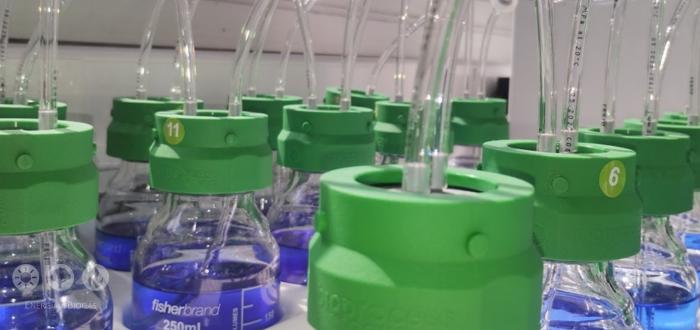
Instruments for BMP Tests. Photo: BPC Instruments.
4. Expansion and Diversification
How did BPC evolve from a biogas-focused company to a diversified portfolio that includes biodegradable plastics, textiles, and animal nutrition?
Dr. Jing Liu: This diversification was a natural evolution. Our core competence is measuring biological processes and resource conversion, where microorganisms act as key biocatalysts. Once this capability was established in anaerobic digestion, it became clear that the same scientific foundation applies to biodegradable materials, animal digestibility, wastewater treatment, and broader circular bioeconomy processes.
So diversification was not a shift away from our mission, it was an expansion of the same measurement philosophy into new sustainability domains.
5. Laboratory Infrastructure in the Biogas Sector
In your view, how does the lack of laboratory infrastructure impact the development of the biogas sector, especially in developing countries?
Dr. Jing Liu: The lack of laboratory infrastructure is one of the most underestimated barriers to biogas development—both in developing and developed regions. Without reliable analysis:
- Feedstock quality remains uncertain
- Plant optimization becomes difficult
- Investment risk increases
In contrast, plants with strong analytical capability can scale faster, operate more efficiently, and reduce financial risk. Therefore, building laboratory capacity is just as important as building the biogas plant itself.
6. Frontiers of Innovation in Anaerobic Digestion
What are the three major innovation frontiers in anaerobic digestion that still need to be fully explored or widely adopted?
Dr. Jing Liu: Three major frontiers stand out:
- Industrial-scale feedstock characterization and quality control
- Process stability and inhibition management, supported by both offline and real-time analysis
- Integration of biogas into the circular bioeconomy, including CO₂ utilization and nutrient recovery, supported by appropriate policy frameworks
Progress in these areas will determine how far anaerobic digestion can contribute to global decarbonization.
7. Maximizing Biogas Production
In your experience, what is the innovation with the highest potential to maximize biogas production on a commercial scale?
Dr. Jing Liu: As the first step, the most impactful innovation is systematic feedstock quality control and optimization based on precise biochemical methane potential and kinetic data. Many plants still operate far below their theoretical yield simply because feedstock selection and mixing are not data-driven. Unlocking this hidden efficiency could significantly increase production without building new infrastructure.
Once feedstock limitations are addressed, further biological process optimization can both maximize and stabilize commercial biogas production.
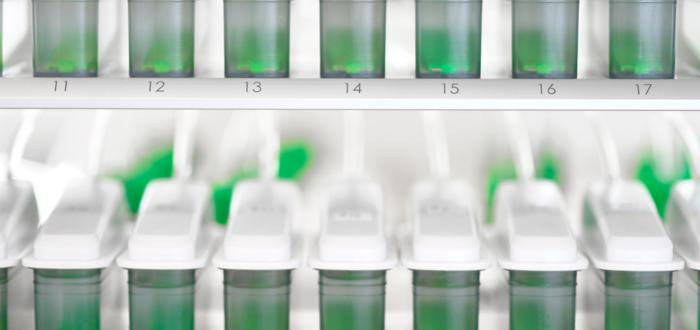
Instruments for BMP Tests. Photo: BPC Instruments.
8. Global Challenges
What are the top three technical or operational challenges that the global biogas sector is still striving to solve?
Dr. Jing Liu: Three main challenges remain:
- Feedstock variability and supply-chain stability
- Operational reliability and process inhibition
- Economic competitiveness compared with other renewable energy sources
Solving these requires not only new technology, but also better data, smarter policies, and integrated system thinking.
9. South American and Brazilian Market
How do you see the potential of the biogas market in Brazil and South America? What are the biggest opportunities and barriers?
Dr. Jing Liu: The region holds extraordinary potential due to:
- Abundant agricultural residues
- A strong bioenergy tradition
- Growing climate commitments
The main barriers include:
- Uneven technical infrastructure
- Limited specialized expertise
- Financing complexity
- • Restricted access to standardized testing and optimization tools
With the right ecosystem, South America could become a global leader in biomethane and circular bioeconomy solutions.
10. Sustainability and Impact
How does BPC align its operations with the UN Sustainable Development Goals, particularly concerning clean energy and climate action?
Dr. Jing Liu: BPC’s operation align closely with the UN Sustainable Development Goals.
- SDG 6.3 – Clean water and sanitation: BPC’s analytical tools support improvements in water quality analysis and wastewater treatment processes, helping identify inefficiencies and opportunities in environmental systems.
- SDG 8.4 – Decent work and economic growth: Through automation, data quality, and analytical precision, BPC products help industries reduce labor intensity and resource waste, improving operational efficiency and supporting sustainable production cycles.
- SDG 9.5 – Industry, innovation and infrastructure: Innovation is core to BPC’s strategy, the company develops advanced measurement and analytical technologies that drive progress in renewable energy, bioanalysis, and environmental biotechnology.
- SDG 17.17 – Partnerships for the goals: BPC emphasizes collaborative work with customers, research institutions, and industry partners. These partnerships help scale sustainable technologies and solutions beyond the company itself.
By enabling better measurement of renewable biological processes, we help industries reduce emissions, improve resource efficiency, and accelerate the transition to circular systems.
11. Planning and Growth
With the move to new facilities in 2026, how does BPC plan to expand its impact and innovation capacity?
Dr. Jing Liu: Our new facilities will significantly expand:
- Innovation capacity
- Production capability
- Opporunities for business diversification and expansion
This will allow BPC to evolve from primarily an instrument provider into a global knowledge and data platform for enviromental biotechnology.
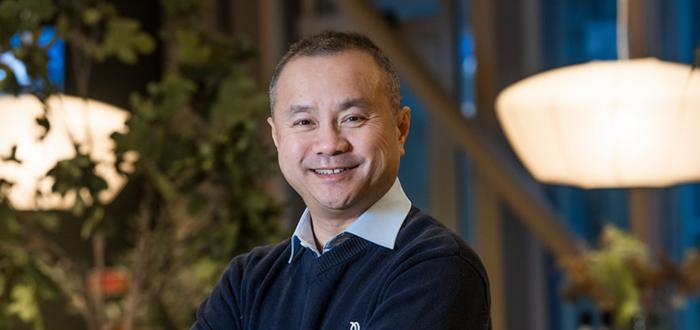
Dr. Jing Liu is a scientist, inventor, and entrepreneur, co-founder and CEO of BPC Instruments AB. Photo: BPC Instruments.
12. Final Message
Energia e Biogás®: What advice would you give to young scientists and entrepreneurs who wish to work at the interface of academic research and sustainable business?
Dr. Jing Liu: to young scientists and entrepreneurs, my advice is:
- stay deeply curious like a scientist
- stay pragmatic and resilient like an entrepreneur
- and work on problems that truly matter for industry and society
When science, purpose, and persistence come together, meaningful innovation becomes possible.
Acknowledgments
We would like to express our sincere gratitude to Dr. Jing Liu for his availability, technical depth, and generosity in sharing his trajectory, strategic vision, and contributions to the advancement of anaerobic digestion and global bioenergy.
We also extend our recognition to the team at BPC Instruments AB, whose technical excellence, professionalism, and commitment to innovation make it possible to bring high-precision science to laboratories and biogas plants in over 90 countries.
Interviews like this strengthen the dialogue between industry, academia, and the market, and contribute to a bioenergy sector increasingly based on data, efficiency, and sustainability. Thank you very much for your trust and partnership.
Did you like the topic?
Want to know more about biogas in Brazil?
Developed with 💚 sustainability and technology.
Copyright © 2018 - 2026 All rights reserved - Portal Energia e Biogás®
 ANP credencia primeiro Agente Certificador de Origem (ACO) para CGOB
 Esquenta para o 8º Fórum Sul Brasileiro de Biogás e Biometano
 Primeira brasileira finalista do Engineer Woman Award na Alemanha
 Importância estratégica do Certificado GAS-REC
 Certificados de Ativos Ambientais no setor de biogás no Brasil
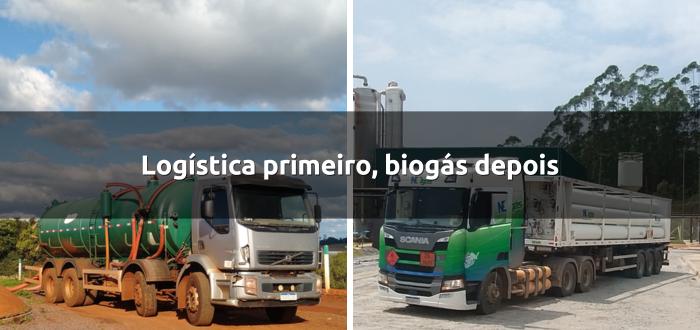 Logística primeiro, biogás depois
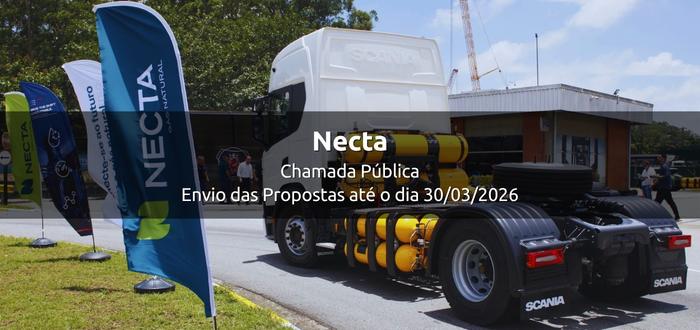 Necta define 30 de março como prazo para propostas de interconexão de biometano
 Biogás e Biometano no Brasil